


Let’s be honest here.
Marketing is persuasion, but not all persuasion is evil. It becomes dangerous when it tricks people into buying what they don’t need — or believing lies wrapped in good design and perfect storytelling. That’s manipulation.
If you’ve ever felt pushed into a purchase that didn’t make sense later… congrats. You’ve been played.
You thought you were making a free choice, but in reality, brands are experts at pulling invisible strings to guide your decisions.
We often blame ourselves for “overspending” or “being impulsive.” But what if I told you that many of the decisions you make in front of a product are heavily influenced by psychology— and sometimes even subtle manipulation?
Understanding these tactics isn’t just about protecting your wallet. It’s about reclaiming your autonomy and learning how to do marketing ethically if you’re on the other side of the table.
In this article, we’ll explore the technical methods brands use to push you toward purchases, why they work so well, and, importantly, how you can avoid falling into these traps — or implement marketing in a smarter, more ethical way.
Why Brands Push Us to Buy (And Why It Works)
Marketing isn’t magic, though it often feels like it. Behind every product, there’s a calculated strategy designed to trigger emotions, exploit biases, and subtly manipulate choices. From the layout of a supermarket aisle to the notifications in your favorite shopping app, everything is designed to maximize conversions.
One common mistake is thinking, “I’m strong; I won’t fall for it.” But research shows that humans are hardwired to respond to cues like urgency, scarcity, social proof, and authority. These aren’t just abstract concepts — they’re deeply rooted instincts. And clever brands know exactly how to trigger them.
Take the classic “limited stock” alert you see online. It’s not just about inventory — it’s a psychological nudge. Scarcity makes your brain panic, your fear of missing out spikes, and suddenly you’re pressing “buy” without thinking.
1. Scarcity and Urgency: The Fear of Missing Out
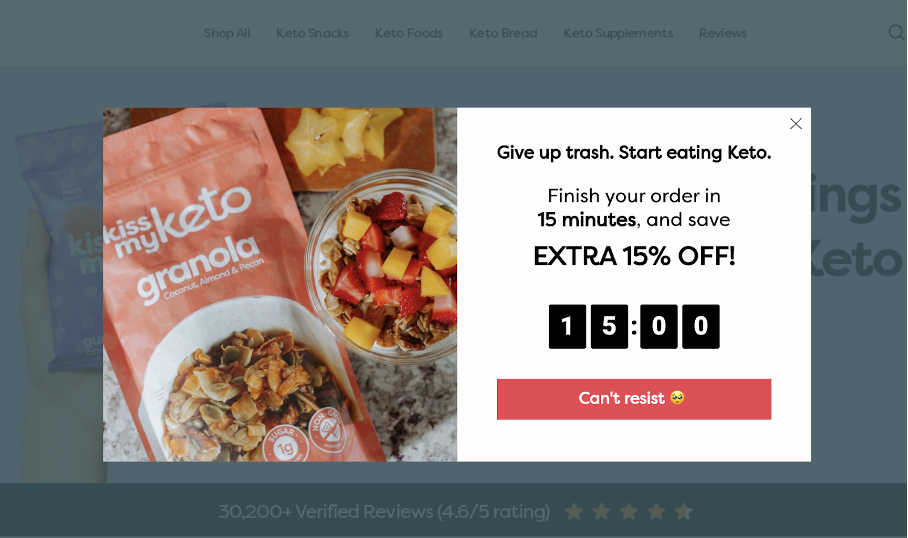
“You have 15 min left before this offer disappears forever.” really? Forever?
The same offer will probably return next week with an extra “bonus.”
Scarcity works because it triggers a basic survival instinct: we don’t want to miss opportunities. Limited-time offers, countdown timers, and “only 3 left in stock” labels are everywhere, and they work beautifully.
Real marketers use scarcity ethically:
They set real deadlines. They communicate real limits. They respect the buyer’s freedom.
If you’re using scarcity, make it real.
If you’re seeing it, pause and think before clicking.
2. Social Proof: Herd Mentality at Play
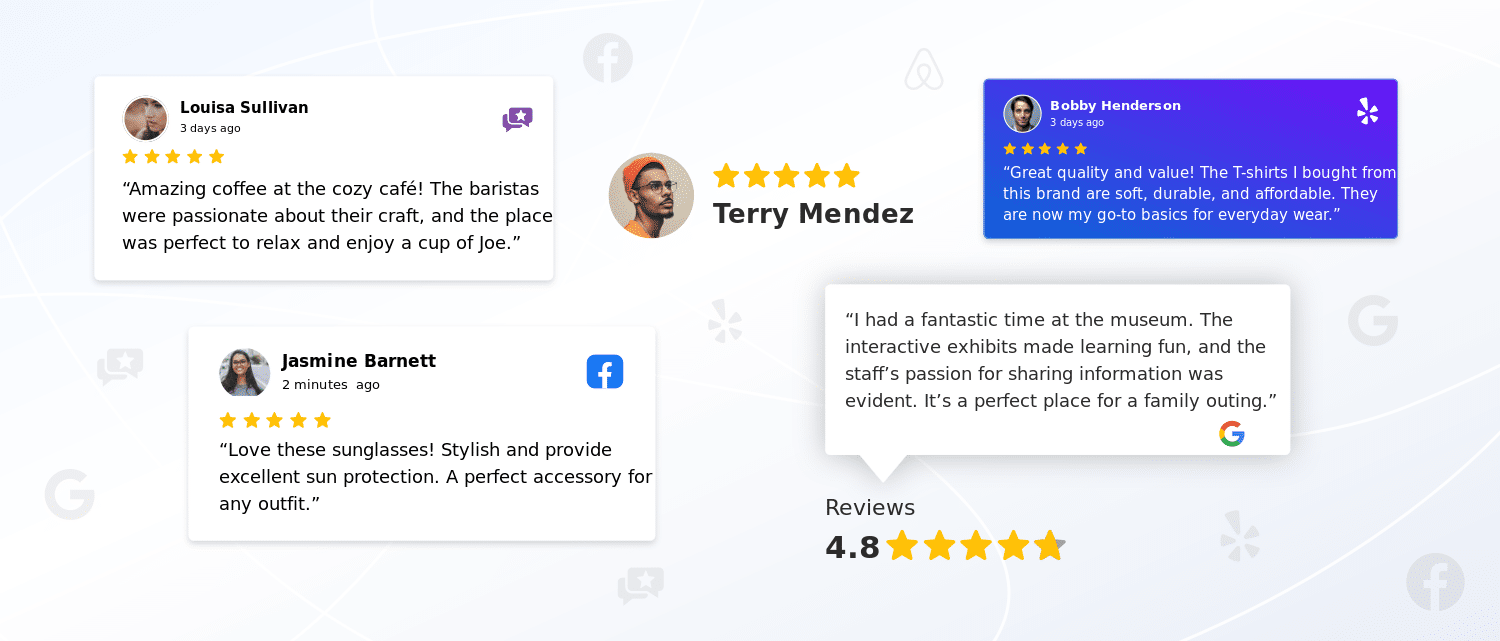
Ever noticed product pages filled with hundreds of glowing reviews, “most popular” badges, or images of people using the product? That’s social proof. We tend to follow what others are doing because it feels safer.
Authority is powerful. It short-circuits skepticism. But fake authority is one of the oldest scams in the book.
Remember: real authority doesn’t shout — it shows.
It comes from consistent value, real results, and the people who vouch for you when you’re not in the room.
As a marketer, build authority through proof, not posture.
As a buyer, don’t worship “titles.” Look for truth.
3. Anchoring: When Your Brain Falls for Fake Discounts
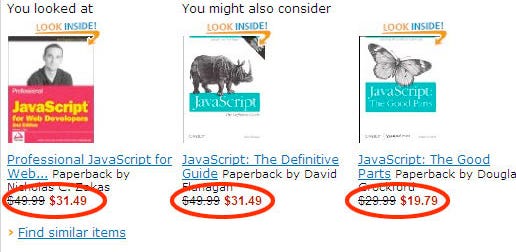
You see this every Black Friday:
Looks like a massive discount, right?
But here’s the trick: the original price is often inflated or fake.
This is anchoring — your brain uses the first number it sees as a reference point, if the “old price” is high, the new one looks like a steal…
Even if it’s actually the real price all year long.
Your brain isn’t evaluating value… It’s comparing numbers.
How to outsmart it:
Ask yourself: “Would I buy this at the original price?”
If the answer is no, the “discount” isn’t a deal — it’s bait.
If you are on the other side:
Show real value: Explain what makes your product worth the price, show comparisons with honesty, not inflated numbers.
When your product is good, you don’t need tricks.
4. Emotional Triggering: Selling to Your Feelings, Not Your Logic

Marketers don’t just sell products. They sell confidence, security, status, belonging, identity. And guess what?
We buy emotions more than we buy items.
Think about perfume ads.
Do you ever see someone actually applying perfume?
You see a slow-motion clip of a beautiful person walking through Paris at midnight as soft jazz plays.
Because they’re not selling fragrance — they’re selling a fantasy.
Same with:
Fitness influencers selling “motivation” disguised as supplements
Tech brands selling “freedom” disguised as phones
Clothing brands selling “confidence” disguised as fabric
Ask yourself: “What emotion is this ad trying to make me feel?”
And more importantly:
“Is this product really the source of that feeling?”
Real marketers tell real stories, sell real transformation.
Never exploit insecurities just to get someone to click “add to cart.”
Marketing should empower, not manipulate.
The Real Secret: Awareness Is Your Superpower
When you understand how persuasion works, you stop being a puppet.
You take back control and buy with intention, not impulse.
And if you’re a marketer?
This is your reminder that persuasion can be powerful without being predatory.
You can sell with honesty, create with integrity, communicate with respect, build trust instead of pressure, and influence without manipulating.
Because the truth is simple:
Ethical marketing wins in the long run.
Manipulative marketing wins fast… and dies faster.
If you enjoyed this breakdown and want more insights on psychology, ethical marketing, and human behavior, subscribe to my newsletter.